

Blog
Buy Jewellery Jaipur: Your Complete Guide to Kundan, Polki, Diamond and Jaipur’s Finest Gold Craftsmanship

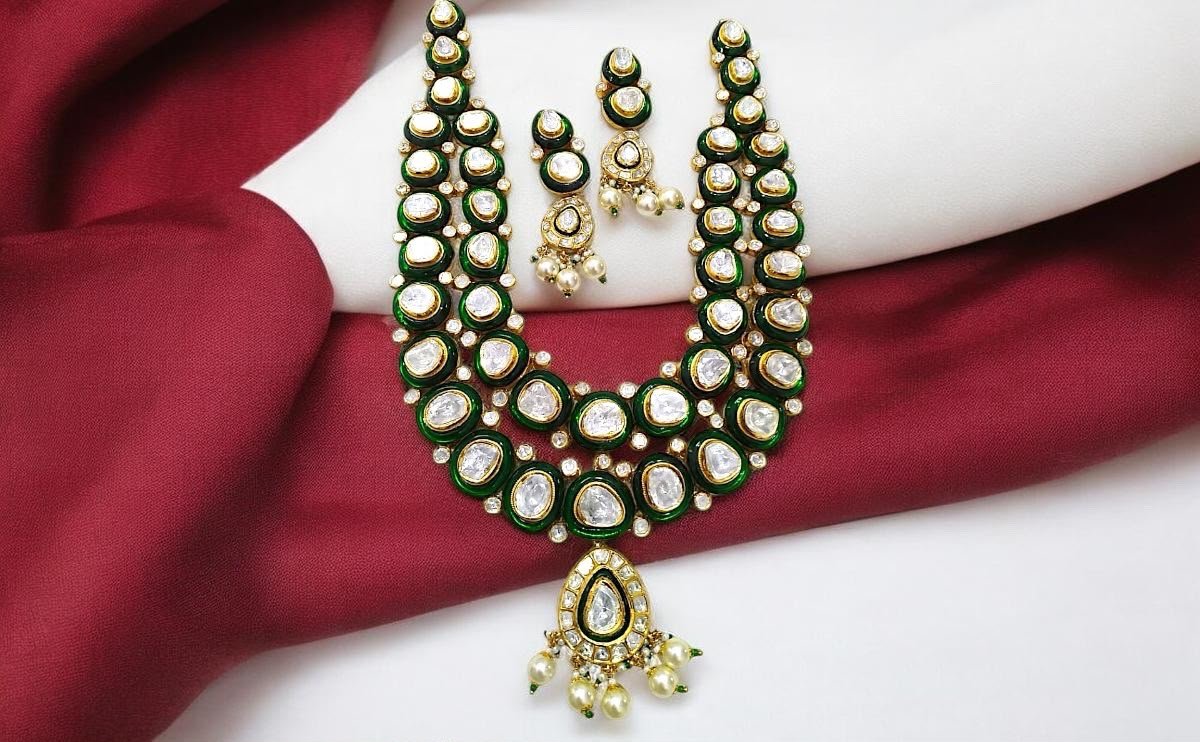
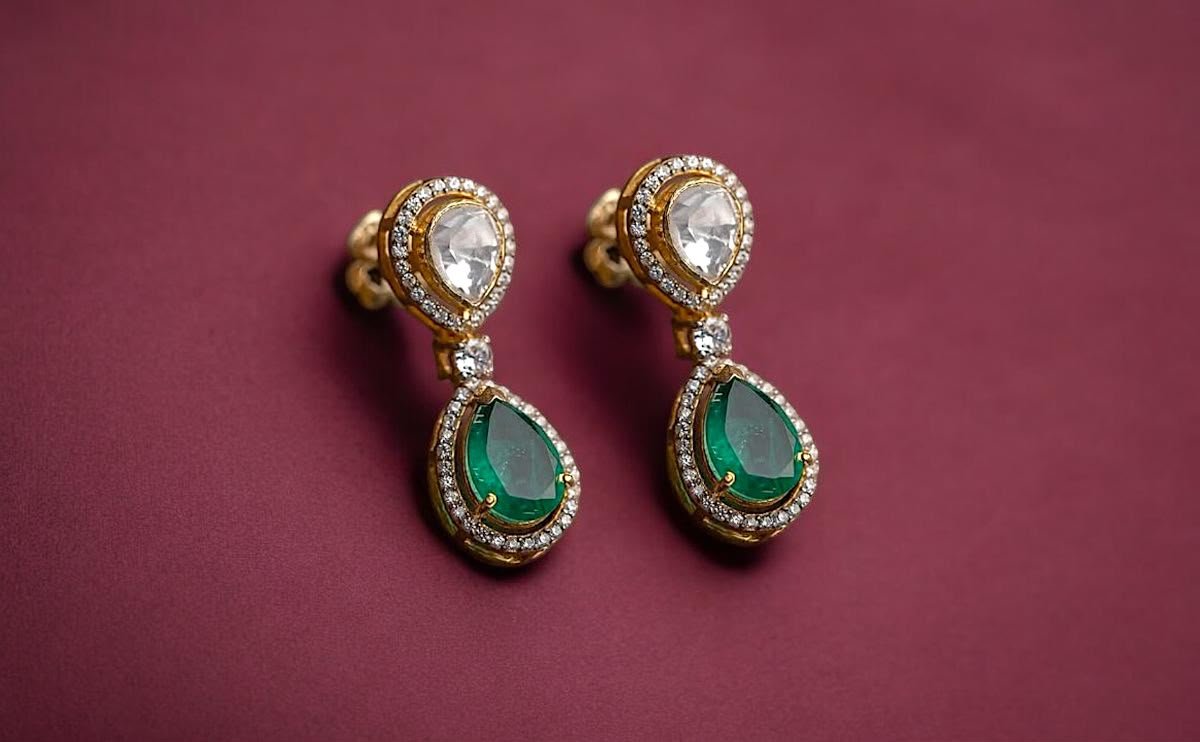
Buy Jewellery Jaipur is one of the most searched decisions among brides, collectors, HNIs, and NRI buyers planning a purchase in 2026. At Taparia Jewels, we craft Kundan, Meena, Jadau, Polki, Diamond & Open Setting Jewellery from our C-Scheme, Jaipur workshop since 1986. Therefore, we understand precisely what a buyer needs to know before spending on a piece meant to last generations.
Jaipur did not earn its reputation through marketing. It earned it through Karigars who train for years before touching a single gemstone. Consequently, buyers who purchase here gain access to craftsmanship that mass-market cities cannot replicate at any price point, and this guide walks through every technique, price factor, and buying decision involved.
Why Jaipur Remains India's Jewellery Capital
Jaipur's reputation rests on a living craft tradition rather than industrial manufacturing. Karigar families have passed down Kundan, Meena, and Jadau techniques across generations, refining them rather than replacing them with machinery. Furthermore, this concentration of skilled artisans in one city creates a depth of craftsmanship that no single workshop elsewhere in India can match.
Location plays a genuine role too. Most established manufacturers, including Taparia Jewels, still operate from C-Scheme, a locality that has anchored Jaipur's jewellery trade for decades. Therefore, buyers who purchase from this area deal directly with craftsmen rather than layers of retail intermediaries, and that proximity to the source shapes both pricing and design conversations in the buyer's favour.
The Legacy Behind Taparia Jewels
Understanding Jaipur's jewellery culture becomes easier once a buyer understands the manufacturers behind it. Taparia Jewels began in 1986 as a small family workshop and grew into a recognised name across Kundan, Meena, Jadau, Polki, Diamond & Open Setting jewellery. Our complete story is documented in the Taparia Jewels legacy guide, tracing four decades of growth into a manufacturer trusted by retail buyers, wholesale partners, and NRI clients across several countries.
Nearly forty years in this trade taught one lesson above all others: authenticity cannot be rushed. Every piece leaving our workshop passes through several specialised hands before it reaches a buyer, and that process has remained unchanged since the workshop's earliest years.
Kundan Jewellery Explained
Kundan is among India's oldest gold-setting techniques, and it remains the foundation of most traditional Jaipur jewellery. Craftsmen press thin sheets of pure gold foil around gemstones, holding each stone in place without prongs, claws, or modern clasps. This method creates the visual effect of stones floating directly within the gold itself.
Our detailed explanation in Kundan Meena Jadau jewellery breaks this technique down alongside its two closely related art forms. Gold purity matters enormously here, since Kundan traditionally uses high-purity gold foil layered over a stronger structural base. A skilled Karigar can spend several days completing a single intricate Kundan necklace entirely by hand.
The Colourful Art of Meenakari
Meenakari, or enamel work, usually appears on the reverse side of Kundan jewellery, though standalone Meena pieces exist as well. Artisans apply vivid coloured enamel in shades of red, green, blue, and white, transforming the back of a piece into something as beautiful as the front. This dual-sided craftsmanship distinguishes genuine Jaipur jewellery from simplified versions sold in other markets.
Meena work also demands considerable patience. Firing enamel onto gold requires precise heat control, and even a small error can ruin days of prior labour. Consequently, few workshops across India still practise Meenakari to the standard Jaipur artisans maintain, which is exactly why Meena jewellery from this city commands such respect among collectors and brides alike.
Jadau — The Royal Technique
Jadau takes traditional gold-setting further by fusing gemstones permanently into heated gold, eliminating the need for any external framework. Historically, royal families reserved this technique exclusively for court jewellers, and the skill required to master it still limits how many Karigars can produce it today.
Our guide to the Jadau necklace explains how this technique translates into modern bridal design, particularly for buyers seeking a statement piece with genuine historical weight rather than one that is purely decorative. Jadau pieces typically take longer to produce than Kundan or Meena work, and pricing reflects that additional craftsmanship time.
Polki and Diamond: Understanding the Difference
A common misconception trips up many first-time buyers: Polki and Diamond are not interchangeable terms. Polki refers to uncut, natural diamonds set using traditional gold techniques, while Diamond jewellery uses stones that have been cut, faceted, and certified through modern processes. Our guide on what Polki Diamond jewellery is and why Jaipur is famous for it walks through this distinction in far greater depth, and understanding it before shopping prevents confusion at the negotiation table.
Buyers who want to see the difference in practice should explore our comparison of natural diamonds versus lab-grown diamonds, since this directly affects long-term resale value. Natural stones, whether Polki or cut Diamond, consistently hold value better than lab-grown alternatives, which matters considerably for buyers treating jewellery as a long-term asset.
Exploring the Polki Necklace and Choker Collection
Polki jewellery expresses itself differently depending on gemstone choice and design intent. Emerald tones bring a cooler, regal character to bridal wear, which is why our emerald Polki choker remains one of the most requested pieces for wedding functions. Ruby tones, by contrast, suit buyers who want warmth and boldness, reflected clearly in our Ruby Polki ring collection.
Buyers with more experimental taste often gravitate toward less traditional stones. Our Tanzanite Polki ring collection demonstrates how this technique adapts beautifully to rare gemstones, giving modern brides a way to honour heritage craftsmanship without sacrificing individuality.
Polki Earrings, Bangles, Pendants and Brooches
Beyond necklaces, Polki extends across nearly every jewellery category a buyer might need. Our Polki Diamond earrings collection suits both bridal wear and formal events, while Polki Diamond bangles offer a heavier, statement-making alternative for buyers who prefer arm jewellery over neckwear.
Smaller accent pieces matter too. A Polki Diamond pendant works well for buyers who want subtlety, whereas a Polki Diamond brooch has recently returned to fashion as a versatile accessory across both traditional sarees and contemporary Indo-western outfits.
Open Setting Jewellery for the Modern Buyer
Not every buyer wants the visual weight of Kundan or Jadau. Open Setting jewellery answers that demand directly, using clean, minimal gold frameworks that let gemstone clarity take centre stage rather than surrounding ornamentation. This category has grown considerably among younger, urban buyers who want everyday elegance without heavy traditional detailing.
Our dedicated guide to Open Setting jewellery in Jaipur explains how this style bridges the gap between heritage craftsmanship and contemporary fashion, making it a strong choice for office wear, travel, and daily use where practicality matters as much as beauty.
Multi-Gemstone Navratan Jewellery
Some buyers prefer jewellery that carries symbolic, even astrological, significance rather than a single gemstone focus. Navratan jewellery incorporates nine sacred gemstones into one design, each traditionally associated with a specific planetary influence in Indian belief systems. Our guide to Navratan jewellery in Jaipur explains both the symbolism and the craftsmanship challenge of setting nine different stone types securely within a single cohesive piece.
Understanding Gold Rate and Making Charges
Buyers frequently ask why two seemingly similar pieces carry different price tags. The answer lies in three separate components: gold weight at the day's market rate, gemstone value based on quality and rarity, and making charges that reflect the craftsmanship hours involved. Kundan and Jadau pieces carry higher making charges because of the manual labour required, while simpler Open Setting Diamond pieces often carry lower making charges due to faster production.
Therefore, a transparent manufacturer breaks down each of these three components separately rather than quoting a single bundled price. This transparency lets buyers understand exactly what they are paying for, and it protects against overpaying for gold weight that a piece does not actually contain.
How to Verify Authenticity Before You Buy
Authenticity should always come before design when buyers evaluate jewellery in Jaipur. First, confirm the gold purity, whether 18K or 14K, directly with the manufacturer. Second, ask whether gemstones are natural or lab-created, since natural stones carry stronger long-term value. Third, request manufacturing details; a genuine manufacturer like Taparia Jewels can explain precisely which technique, Kundan, Jadau, or Polki, went into a piece.
This transparency protects buyers from mislabelled products, a common problem among less established sellers. Weight and craftsmanship also affect final pricing considerably. Heavier Jadau or Meena pieces cost more due to detailed handwork, while lighter Open Setting Diamond pieces suit everyday wear and modern budgets.
Buying for Weddings and Special Occasions
Bridal shopping drives most jewellery purchases in Jaipur, and NRI clients frequently plan entire trips around it. Polki and Jadau sets remain the most requested bridal styles, while Meena work adds colour contrast for sangeet and mehendi functions. Buyers planning ahead should read our guide on bridal jewellery trends for 2026, along with dedicated pieces on the Kundan choker necklace and the maang tikka, two pieces that complete a full bridal look.
Younger buyers exploring lighter alternatives can also read how Polki jewellery is evolving for Gen Z in Jaipur, a shift driven largely by demand for tradition without excessive weight or ornamentation.
The Best Time of Year to Buy Jewellery in Jaipur
Certain periods carry cultural and financial significance for jewellery buying across India. Festivals such as Akshaya Tritiya and Dhanteras traditionally mark auspicious occasions for gold purchases, and demand rises sharply during these windows. Wedding season, spanning late autumn through spring, similarly drives bridal jewellery purchases across Jaipur's manufacturing workshops.
Buyers who plan custom or heavily detailed pieces, particularly Jadau or Meena work, benefit from ordering well ahead of these peak periods. Craftsmanship of this depth cannot be rushed without compromising quality, and workshops naturally receive higher order volumes as festivals and wedding dates approach.
Jewellery as a Long-Term Investment
Fine jewellery in Jaipur holds value well beyond appearance. Gold content, gemstone quality, and craftsmanship together determine resale value over time. Our detailed breakdown on jewellery investment in Jaipur explains why buyers increasingly treat Polki and Diamond pieces as long-term assets rather than one-time purchases, and why documentation collected at the time of purchase matters just as much as the piece itself.
Caring for Your Jewellery After Purchase
Proper care extends the life and beauty of handcrafted jewellery considerably. Store Kundan and Jadau pieces separately in soft cloth pouches to prevent scratching between items. Additionally, avoid exposing Meena enamel work to harsh chemicals, including perfume and cleaning agents, since prolonged exposure can dull the colour over time.
Polki and Diamond pieces benefit from periodic professional cleaning to maintain brilliance. Therefore, buyers should ask their manufacturer about recommended care practices specific to the technique used in their piece, since Kundan, Jadau, and Open Setting jewellery each require slightly different handling.
Retail, Wholesale and Where to Buy
Individual buyers can explore our full range through the guide on the best jewellery shop in Jaipur, while retailers, boutiques, and designers can review our dedicated page on wholesale jewellery in Jaipur for bulk pricing and catalogue access. Both buyer types benefit from working with a direct manufacturer rather than a multi-layered retail chain, since pricing stays transparent and craftsmanship questions get answered directly by the people who make each piece.
Follow Taparia Jewels for New Collection Updates
We share new arrivals, workshop craftsmanship, and buying guidance regularly. Follow us on Instagram at Taparia Jewels for new collection updates and behind-the-scenes craftsmanship. Connect with us on LinkedIn at Taparia Jewels for our full jewellery knowledge series. Furthermore, explore our entire blog collection for detailed guides on every technique and gemstone covered above.
Frequently Asked Questions
What is the best area in Jaipur to buy jewellery?
C-Scheme remains one of the city's most established jewellery hubs, home to long-standing manufacturers like Taparia Jewels.
Is Polki more expensive than Diamond jewellery?
Not necessarily. Pricing depends on stone size, gold weight, and craftsmanship time rather than category alone.
Can I customise a jewellery piece in Jaipur?
Yes. Taparia Jewels offers customisation across Kundan, Meena, Jadau, Polki, Diamond & Open Setting categories, adjusting gold karat, stone selection, and design to each buyer's preference.
How do I know if a seller is a genuine manufacturer?
Ask specific questions about technique, gold purity, and gemstone sourcing. A genuine manufacturer answers confidently and in detail, without hesitation.
How long does it take to craft a custom piece?
Simpler Open Setting or Diamond pieces typically take one to two weeks, while detailed Kundan, Meena, or Jadau pieces can take several weeks depending on complexity.
Do NRI buyers need to visit Jaipur in person to purchase?
No. Many NRI buyers complete their purchase remotely through detailed photographs and video consultations, with fully insured international shipping arranged afterward.
Visit Taparia Jewels in C-Scheme, Jaipur
Visit our showroom by appointment at C-73, Flat No. 402, Blue Sky Apartments, Sarojini Marg, C-Scheme, Jaipur 302001. WhatsApp us at +91 9950966382, or explore our complete collection at tapariajewels.com. We look forward to crafting your next piece in Kundan, Meena, Jadau, Polki, Diamond & Open Setting jewellery, backed by nearly four decades of Jaipur's finest tradition.